
You Do Not Need a Gym. Just Start Walking.
Regular movement is one of the most researched and well-supported habits for keeping blood sugar in a healthy range. No special equipment required.
Find Out More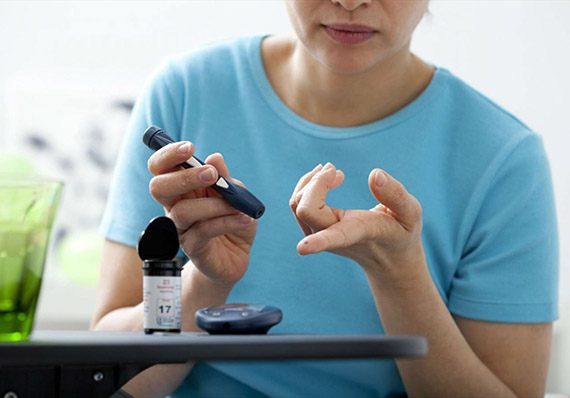
The Body Responds to Movement in Minutes
When you start walking, your muscles immediately begin pulling sugar from the blood to use as fuel. This is completely normal — it is how the body is designed to work. The process does not require any special conditions, just the act of moving.
What makes walking particularly useful is how little it takes to see an effect. Short walks of 10 to 20 minutes, repeated two or three times across the day, have a measurable impact on how the body handles glucose from food. The timing matters more than the distance.
The content on this page is for general information only and does not replace advice from a qualified medical professional.
Common Myths — and What Is Actually True
There is a lot of confusing information out there. Here are a few beliefs that are worth clearing up.
Six Ways Regular Walking Supports Your Health
These effects are backed by solid research and apply to most adults who start a regular walking habit.
Muscles Pull Glucose From the Blood
Active muscles absorb glucose directly, reducing the amount circulating in the blood. This happens during the walk and continues for some time afterward.
The Body Becomes More Responsive Over Time
Regular physical activity gradually improves how well the body responds to insulin. The same amount starts doing more work, which reduces strain on the whole system.
Fewer Spikes After Eating
A short walk after a meal slows how quickly glucose enters the bloodstream and gives the body more time to manage the rise. This is one of the most practical and simple habits you can build.
Supports the Heart and Blood Vessels
Walking strengthens the cardiovascular system, improves circulation and helps keep blood pressure within a healthy range — all areas of particular importance for long-term wellbeing.
Helps With Weight Over the Long Term
Walking burns calories without putting stress on joints. Gradually, it helps reduce body fat — especially around the waist — which plays a direct role in how the body manages blood sugar.
Better Sleep and Lower Stress Levels
Physical activity reduces cortisol — a stress hormone that raises blood sugar when elevated. An evening walk, in particular, often helps people wind down and sleep more soundly.
Small Preparations That Make a Big Difference
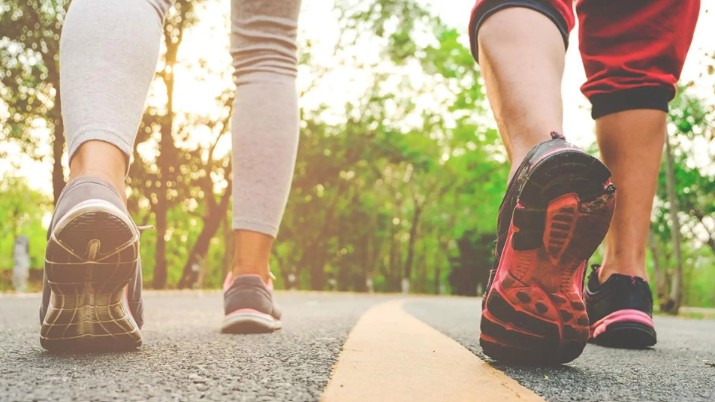
Good footwear is the single most important preparation for walking. Choose shoes that fit well, have a cushioned sole and leave no pressure on any part of the foot. After returning home, check your feet briefly — small friction areas are easy to address early but can become a problem if ignored.
Keep a small snack in your pocket when heading out. Something with fast-acting carbohydrates — a few glucose tablets, a small juice box or a couple of dates — is enough to handle an unexpected dip in blood sugar during the walk. This is simple preparation, not cause for concern.
Water is easy to overlook on short walks. Even mild dehydration affects how the body regulates glucose, so bring a bottle on any walk longer than 20 minutes, especially in warm weather.
What Changes When Walking Becomes a Habit
Most people notice the first changes within two to three weeks of walking consistently. Energy levels feel more even throughout the day. The sluggishness that often follows a meal begins to fade. These small shifts happen because blood sugar is staying in a steadier range more of the time.
Over a few months, the changes tend to become more visible. Many people find their clothing fits a little differently around the waist. Blood pressure readings at the doctor's office often improve. Sleep quality, which is closely connected to both stress and blood sugar, frequently gets better as well.
The most common reason people stop is not lack of results — it is losing the routine. Tying a walk to an existing habit, such as going out immediately after a meal or before checking the phone in the morning, helps make it automatic rather than something that requires daily willpower.
What Readers Have Shared With Us
"I work from home and barely moved during the day. After reading about post-meal walks I started going out for 15 minutes after lunch. Three weeks later my afternoon energy is completely different."
— Meera V., Pune
"The explanation about why muscles absorb sugar during movement finally made this make sense to me. It is not just advice — there is a reason behind it. That made me take it seriously."
— Harish N., Hyderabad
"My mother is 67 and walks slowly due to joint issues. She started with just 10 minutes a day. After two months the difference in her mood and stamina is clearly visible to everyone in the family."
— Lata B., Kolkata
"I appreciated that this page does not make any big promises. It just presents clear, honest information. That is exactly what I needed before deciding to change my daily habits."
— Sanjay P., Ahmedabad
"I had been told to walk more for years but never quite understood the point. This page explained it clearly. Now I actually look forward to my evening stroll — it is a proper break, not a chore."
— Kavitha R., Bengaluru
Get in Touch — We Are Happy to Help
Our Contact Details
Have a question about what is covered here, or want to know more about walking as part of a healthy lifestyle? Send us a message and we will get back to you.
Email:
hello (at) saxeyoh.shop
Phone:
+91 22 6741 9038
Address:
8, Linking Road, Bandra West, Mumbai 400050, Maharashtra, India
Questions People Often Ask
How long should I walk to see any real effect on blood sugar?
Even 10 minutes of walking after a meal produces a measurable reduction in post-meal glucose levels. The effect grows with consistency — walking daily for several weeks produces noticeably steadier readings throughout the day compared to walking occasionally.
Can I walk if I am feeling tired or a little unwell?
Mild tiredness after a meal is normal, and a gentle walk usually helps rather than makes it worse. However, if you feel genuinely unwell, dizzy or shaky, rest first and check your blood sugar. Never push through discomfort. When in doubt, check with your doctor.
Does the weather affect whether I should walk?
Walking indoors is just as effective as walking outside. A corridor, a large room, a staircase or a covered shopping area all count. Heat and cold both have mild effects on blood sugar, so if the weather is extreme it is sensible to move the walk inside.
Should I check my blood sugar before going for a walk?
It is a good habit, especially when you are just starting out. If your blood sugar is very low before heading out, have a small snack and wait a few minutes before walking. Keeping a record of readings before and after walks over a few weeks gives a useful picture of how your body responds.
Is this page giving me medical advice?
No. All content here is general educational information. It does not constitute medical advice and cannot replace a consultation with your doctor or healthcare provider. If you are making changes to your activity routine, always discuss them with a professional who knows your health history.